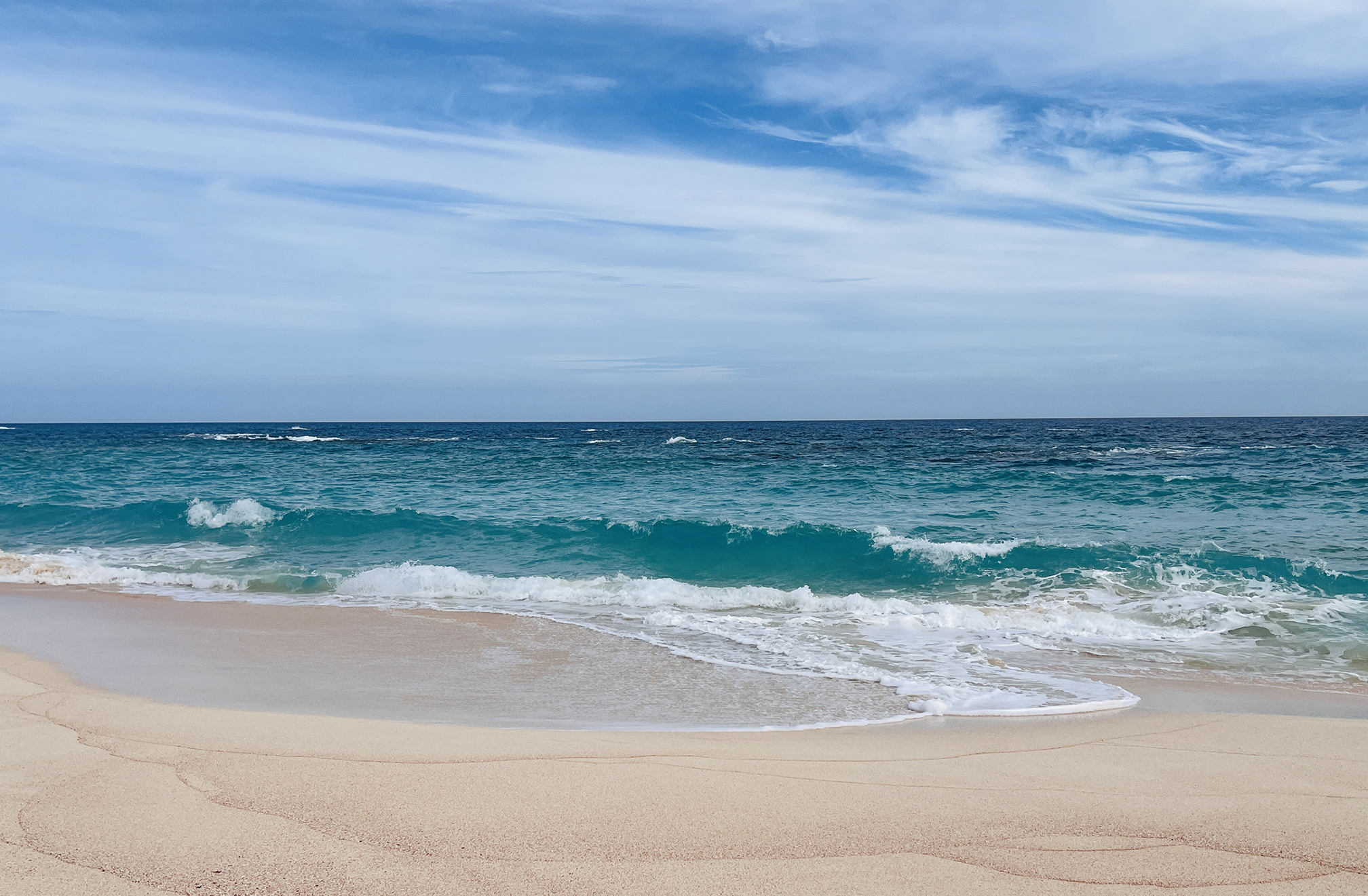
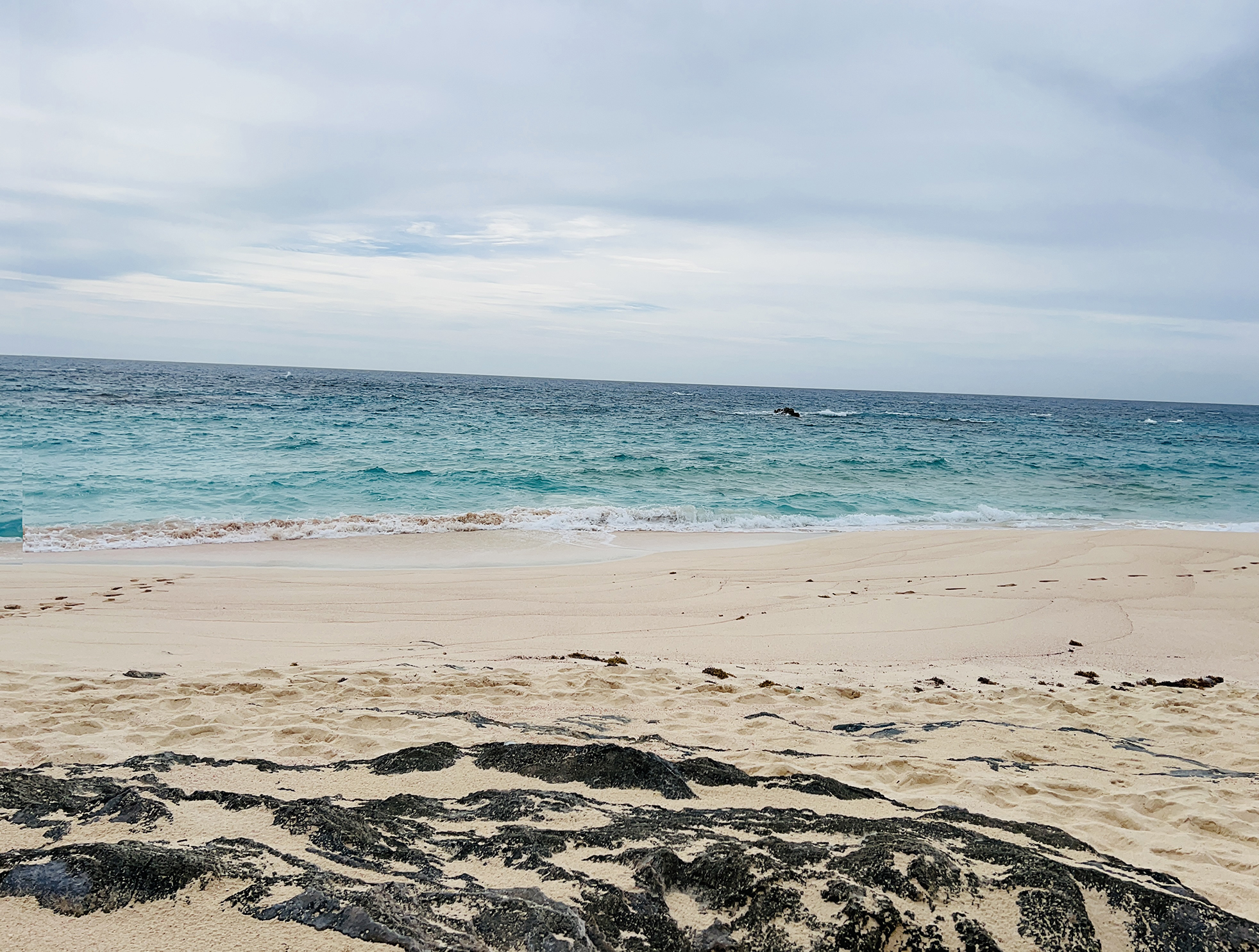
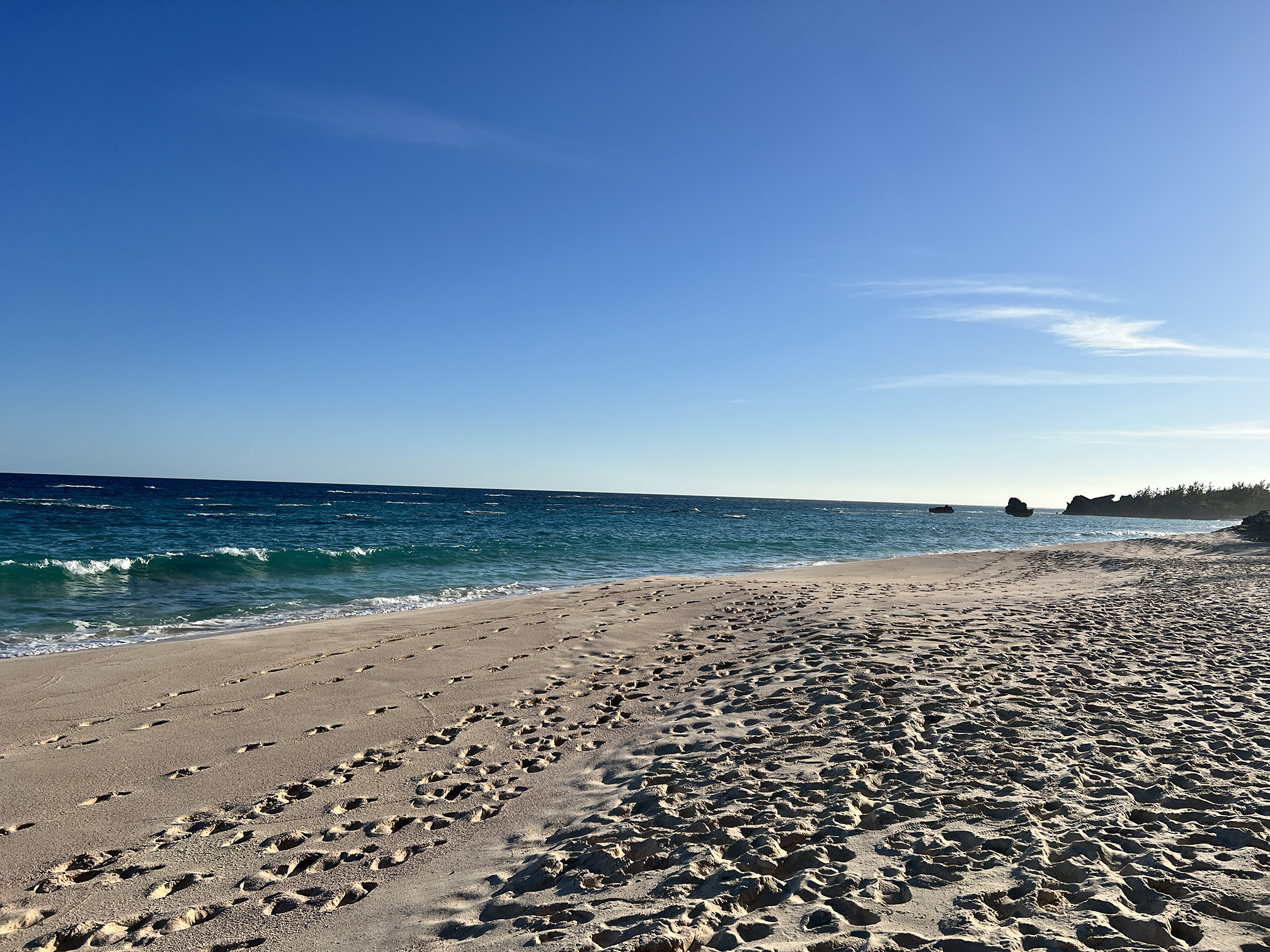
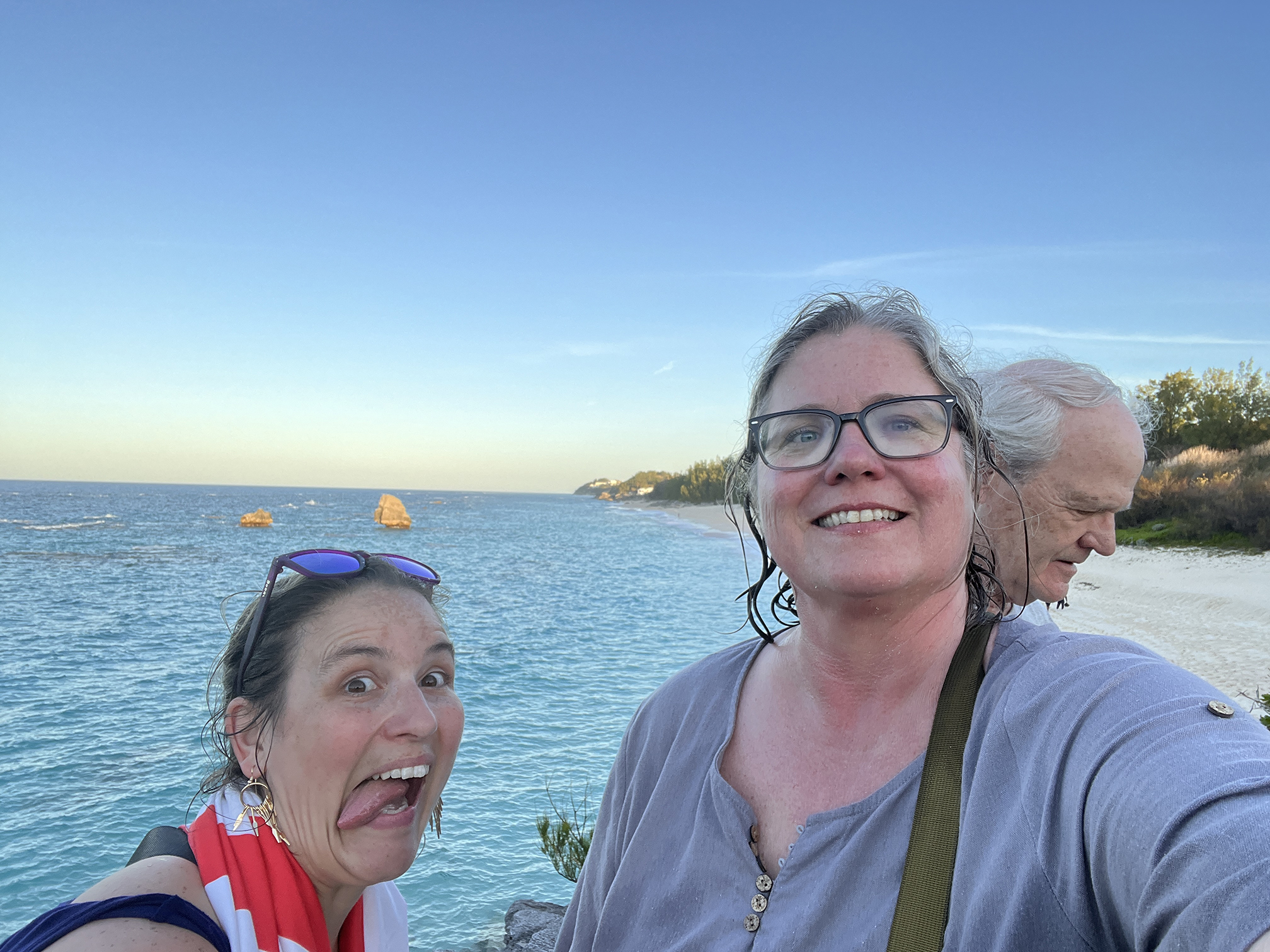
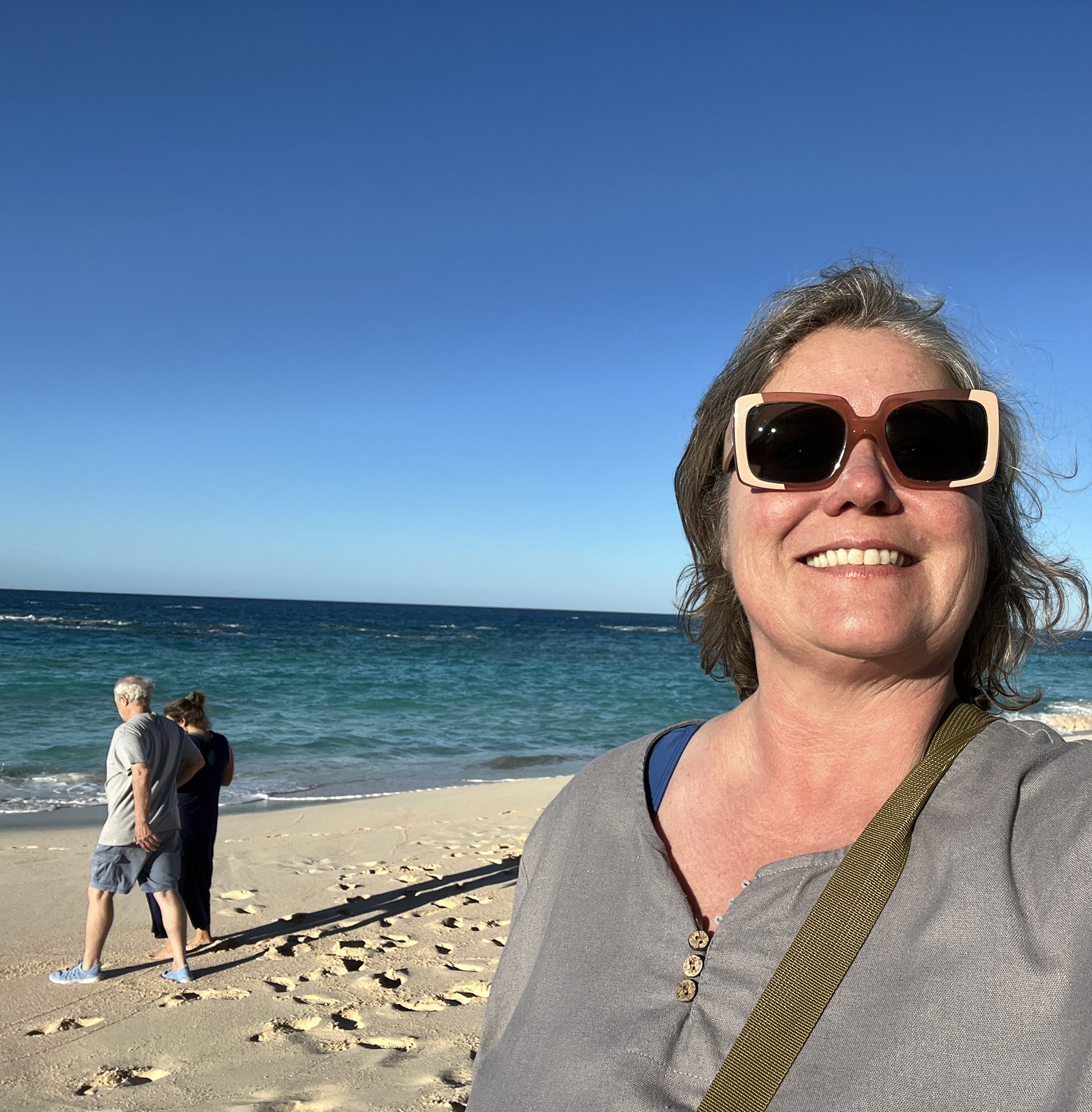
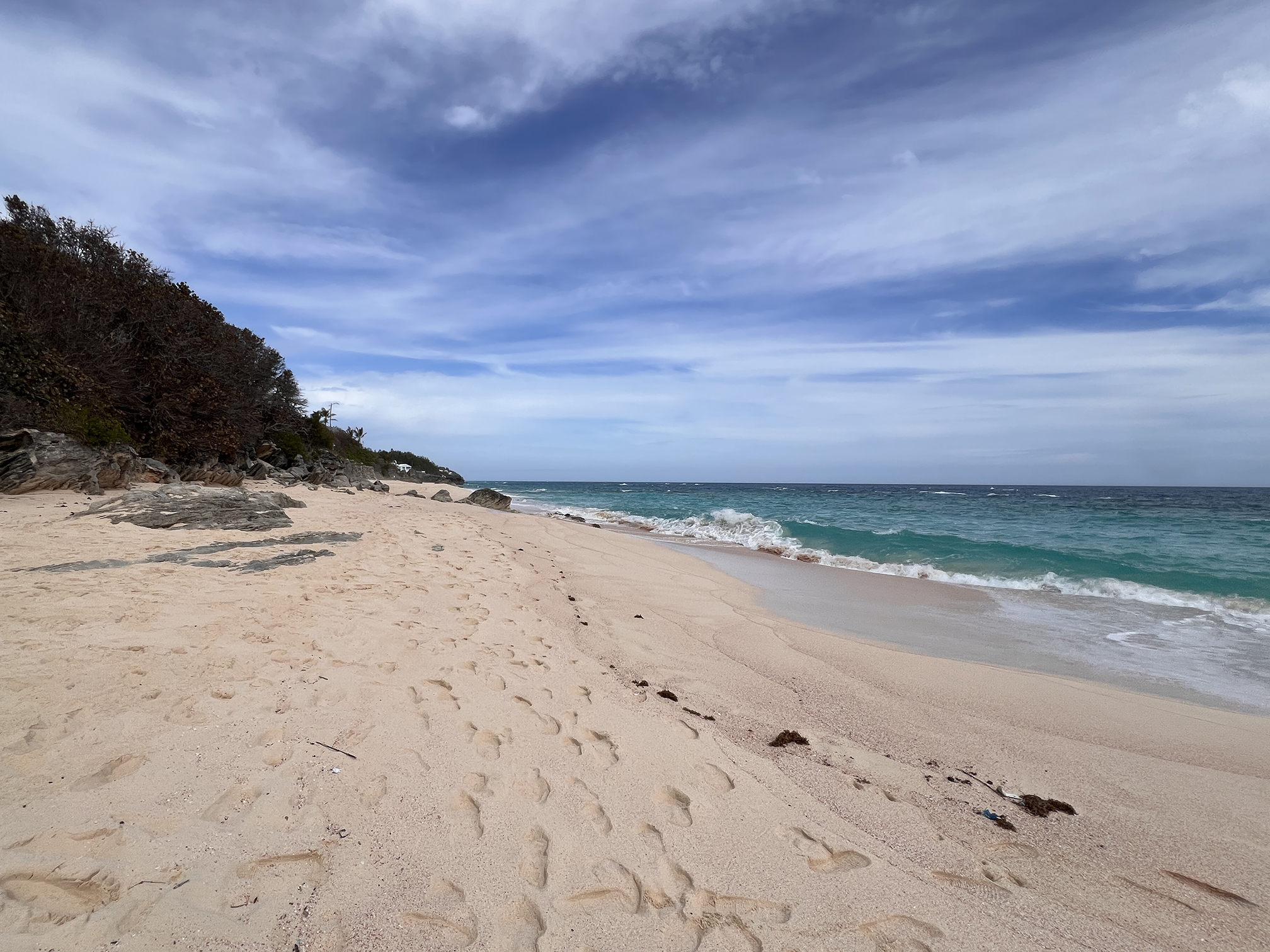
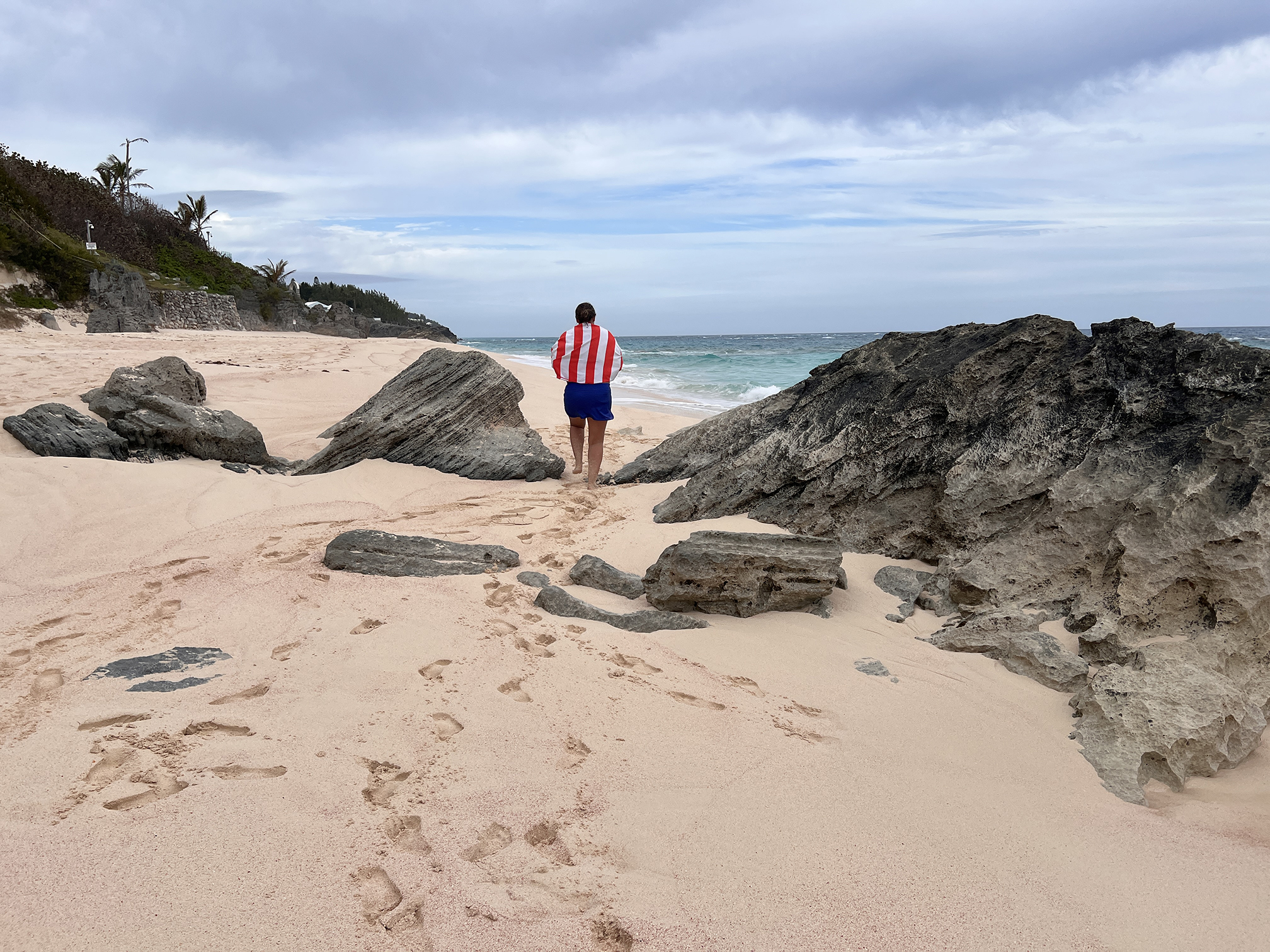
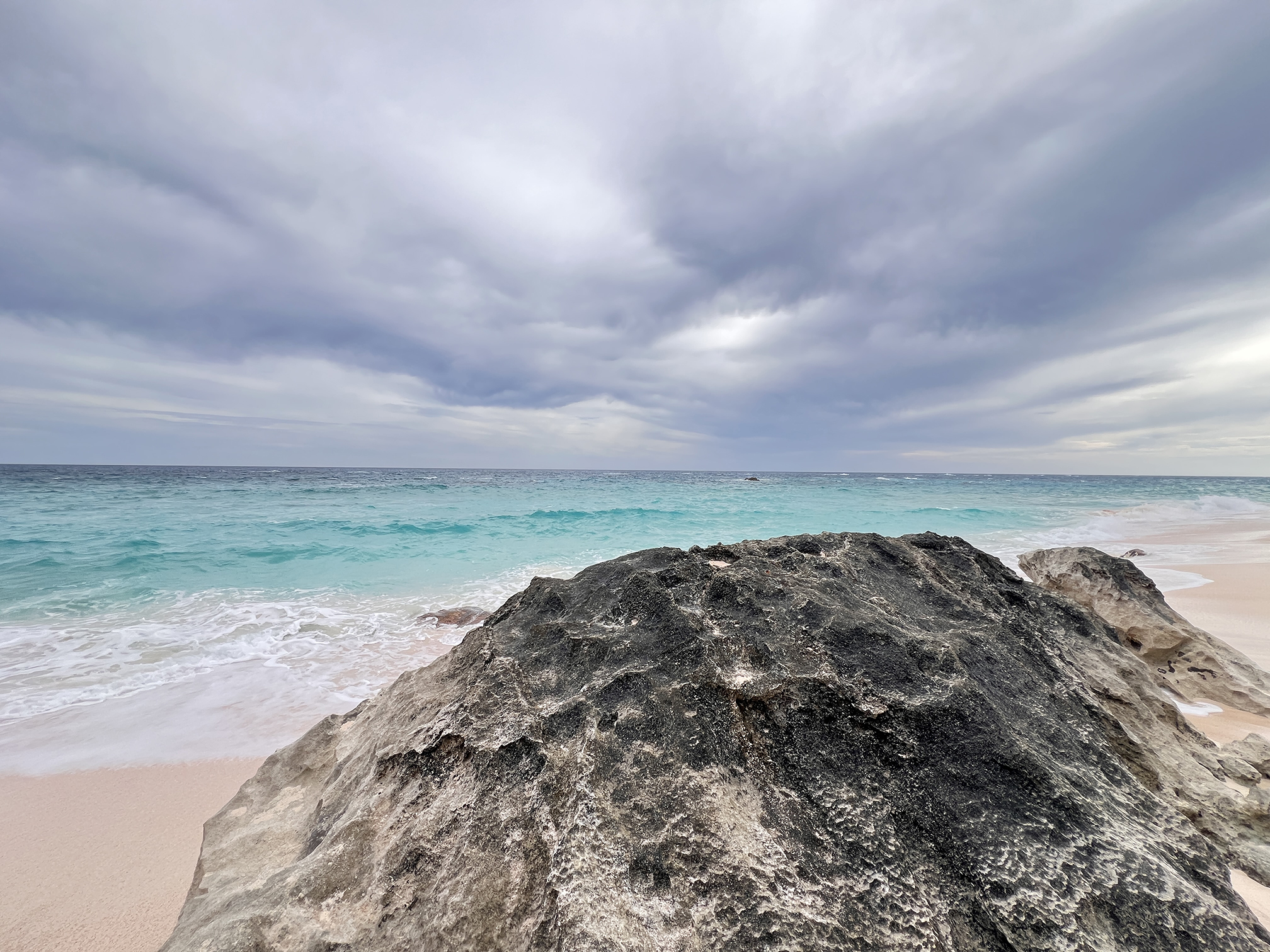
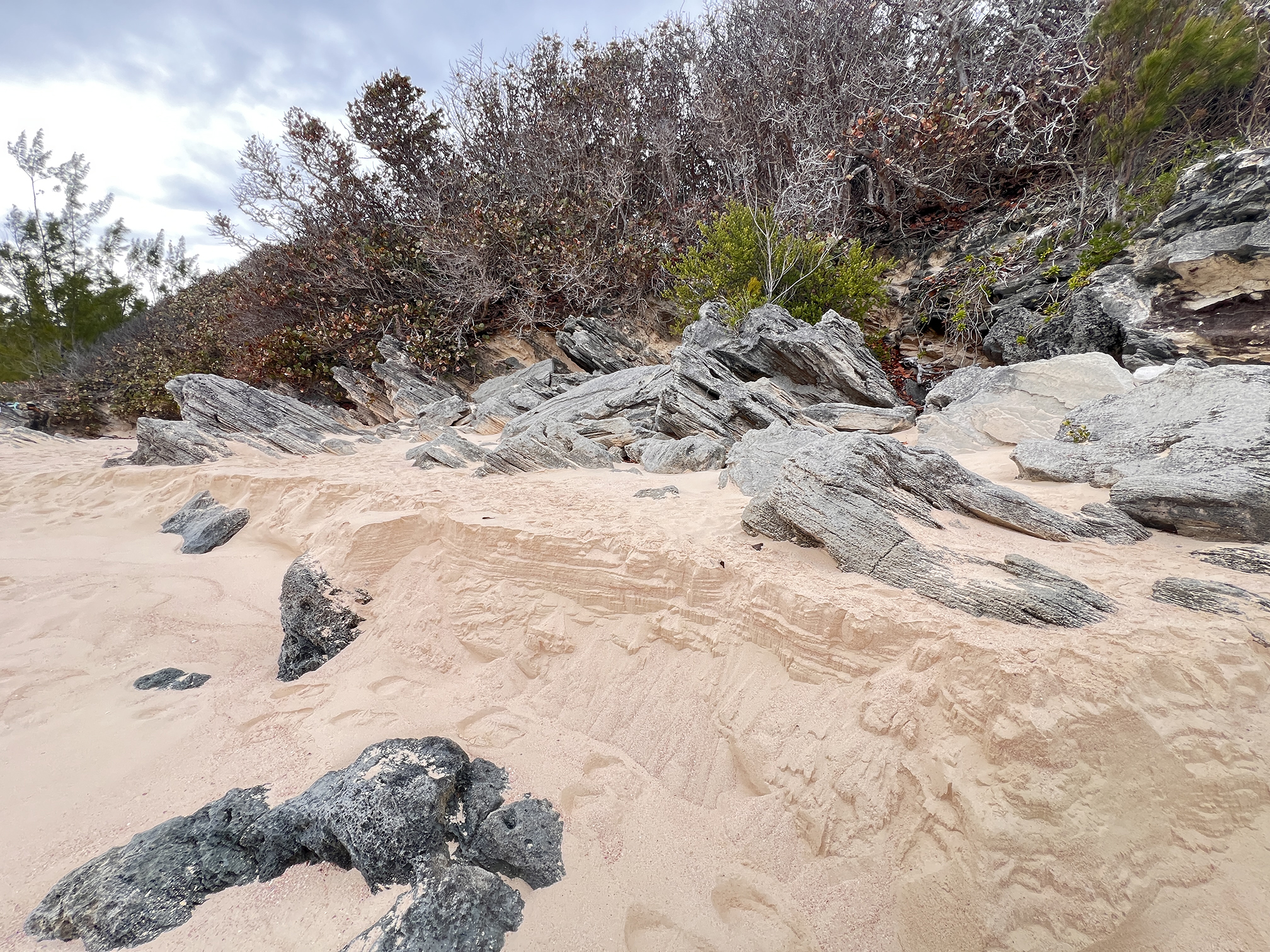
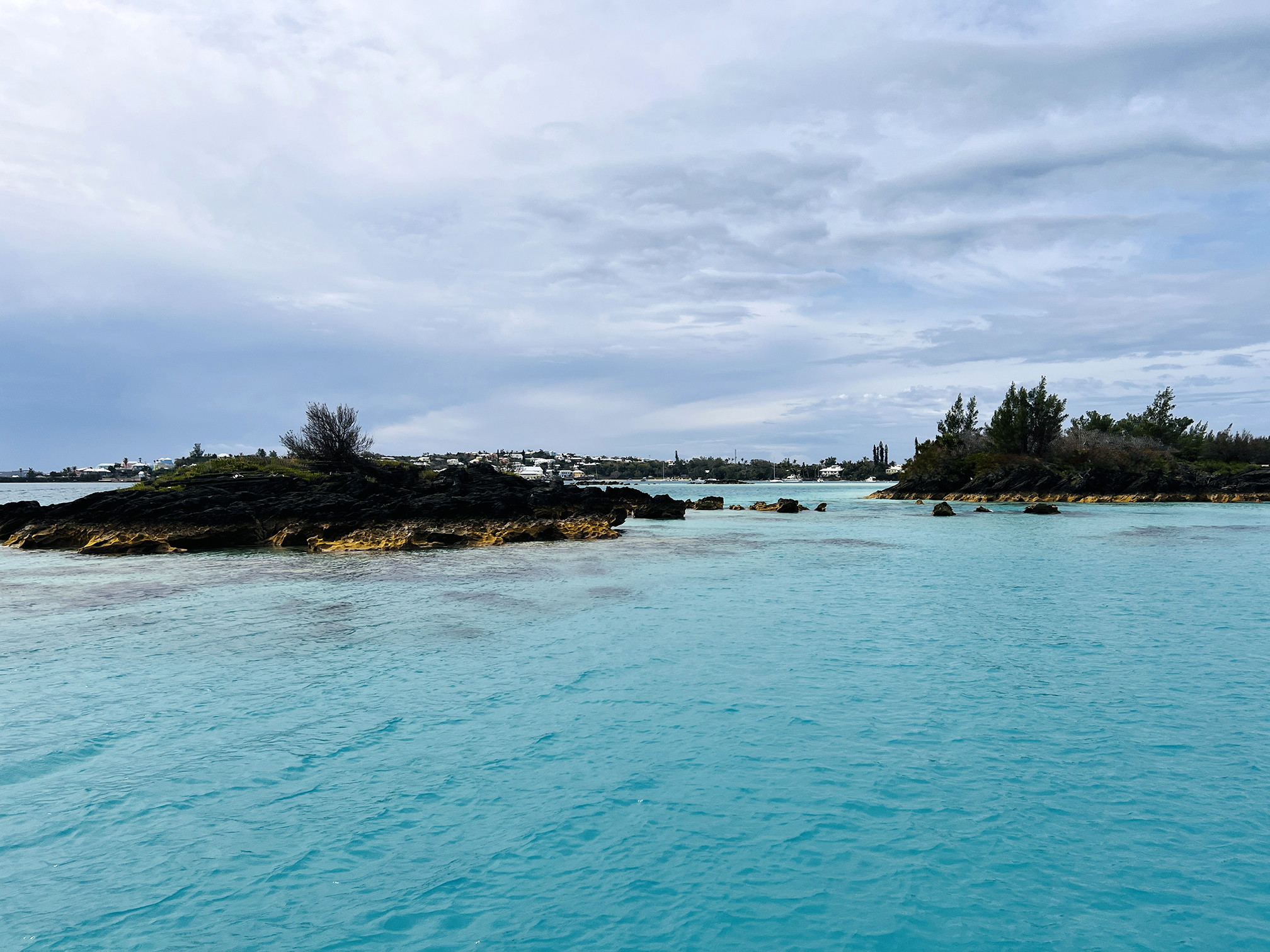
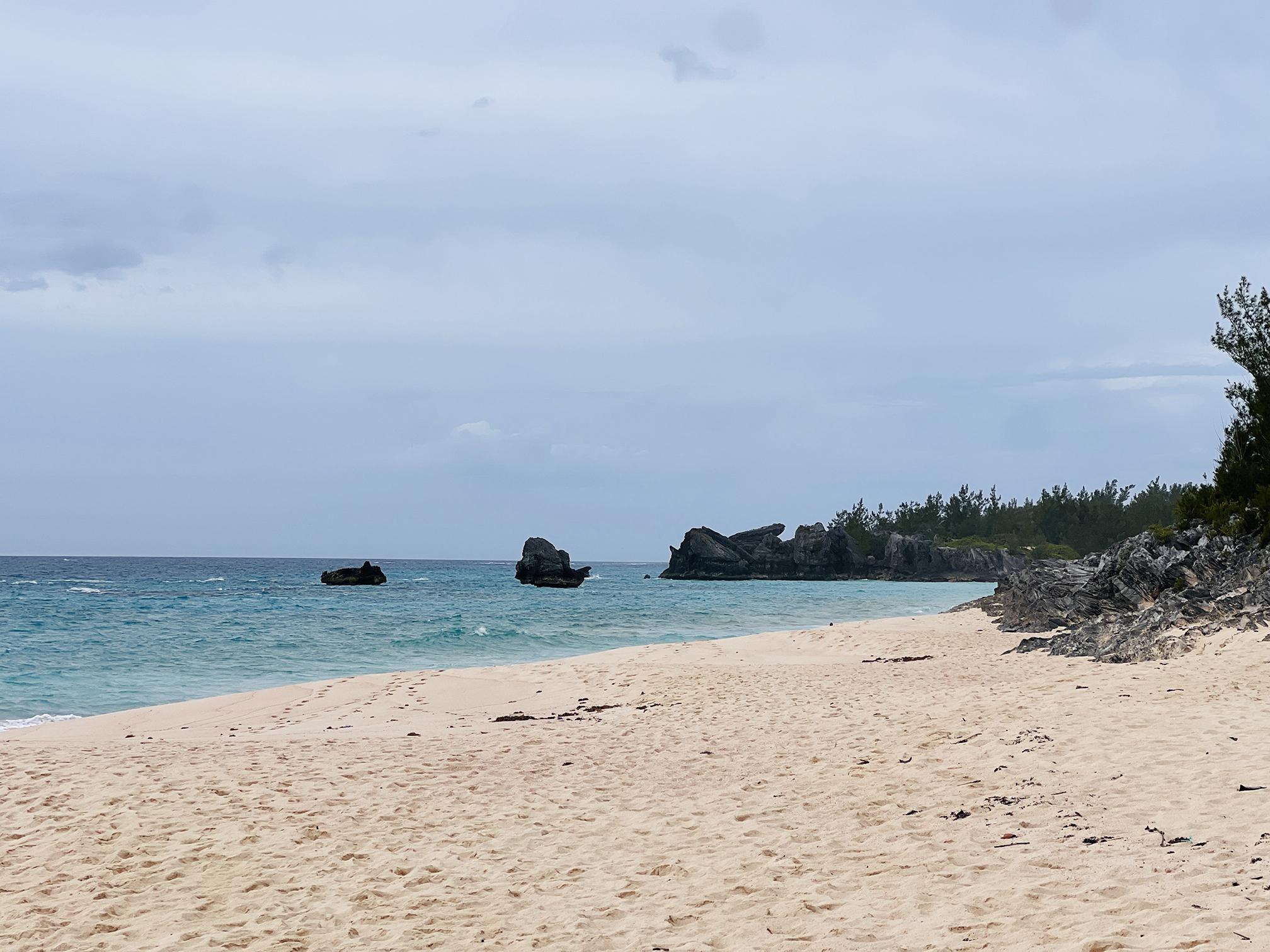
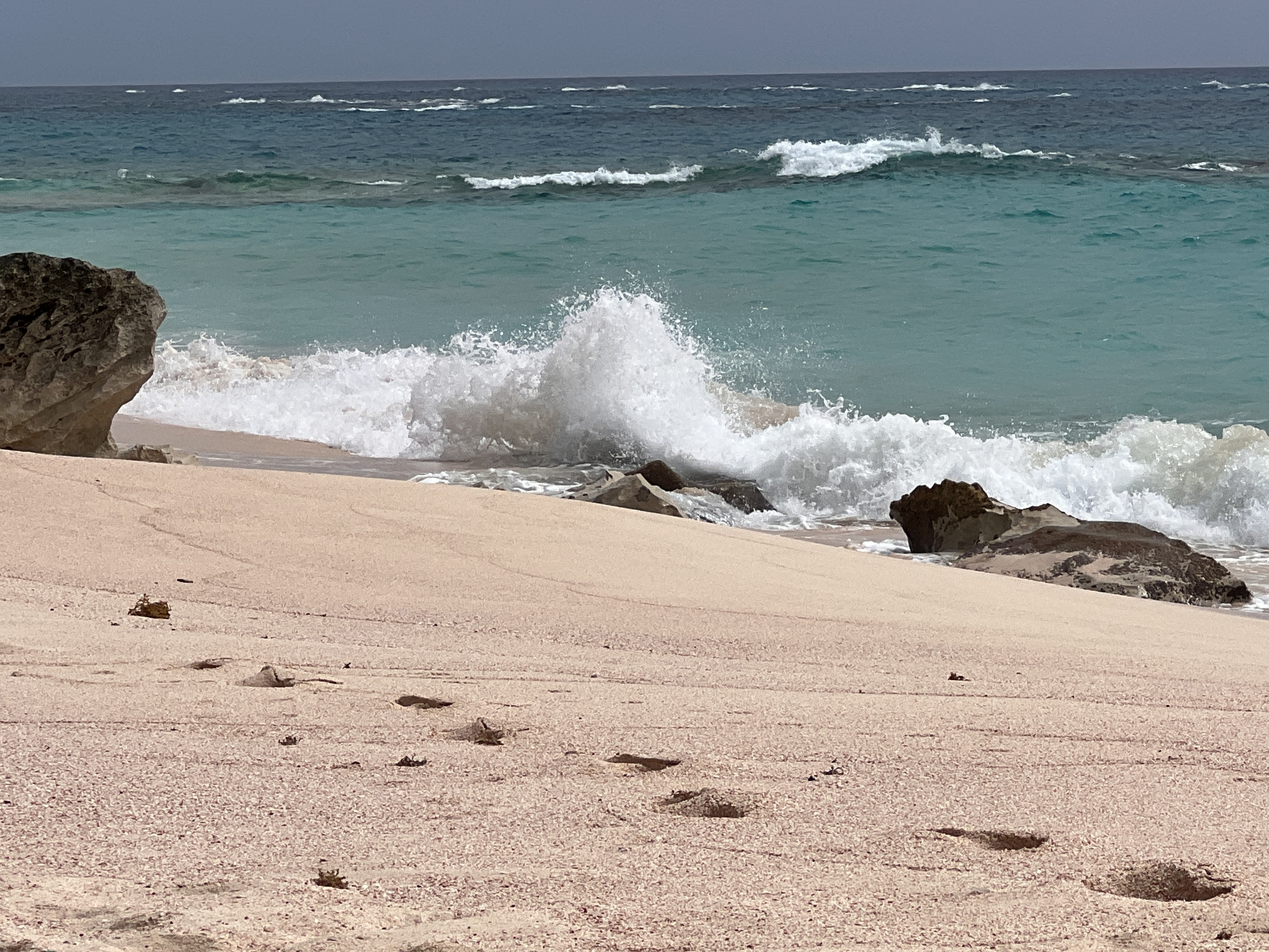
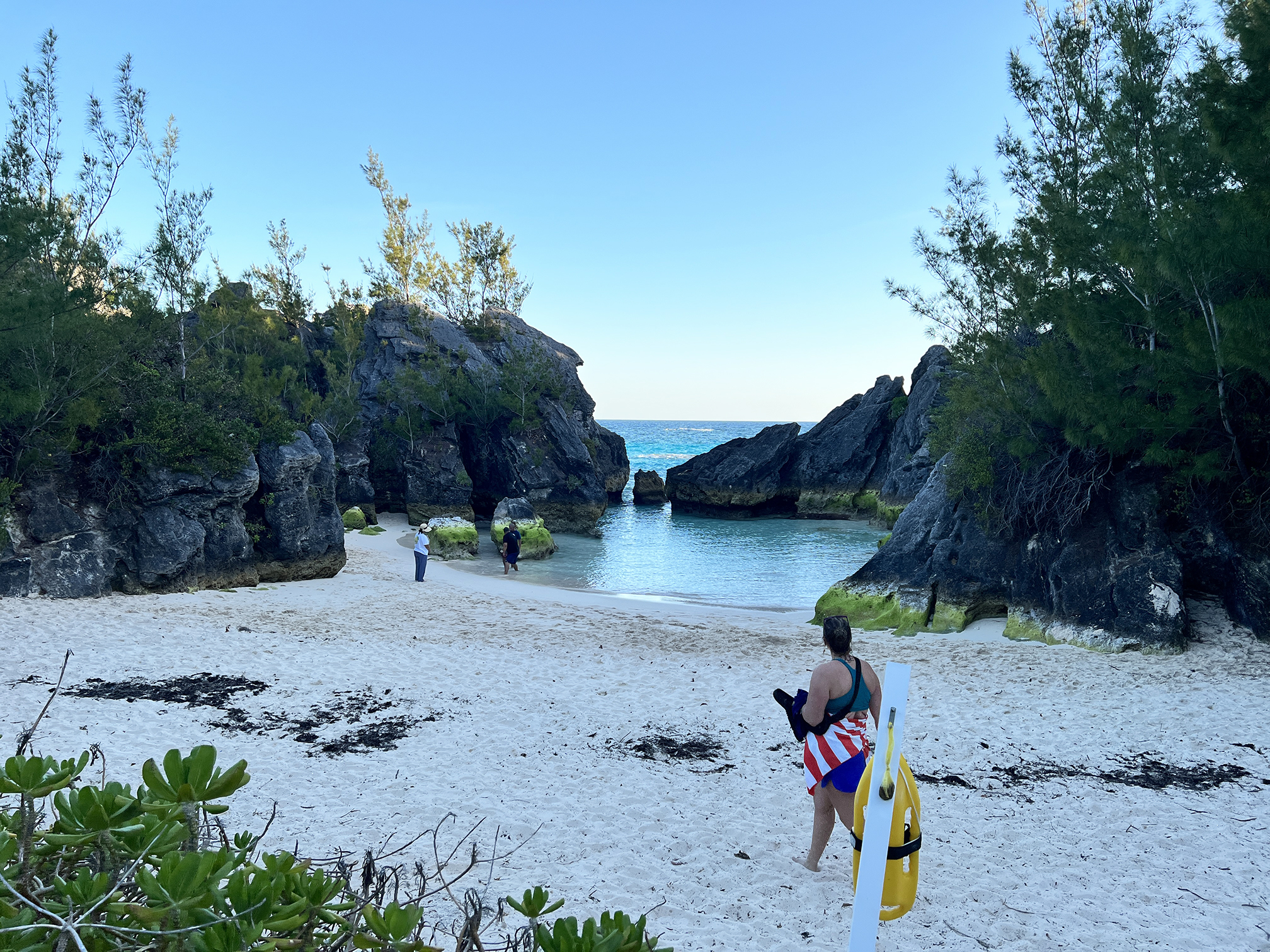
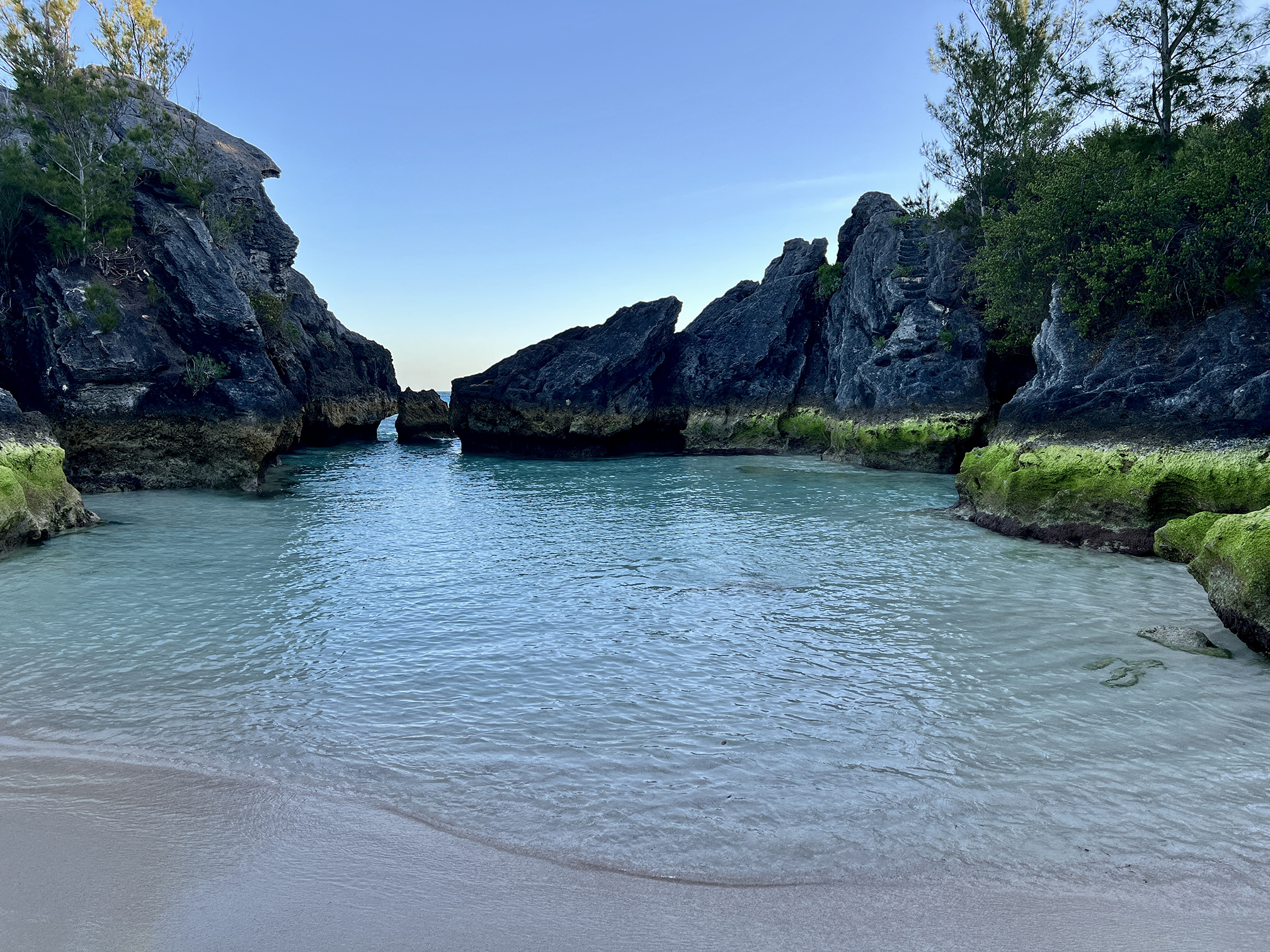
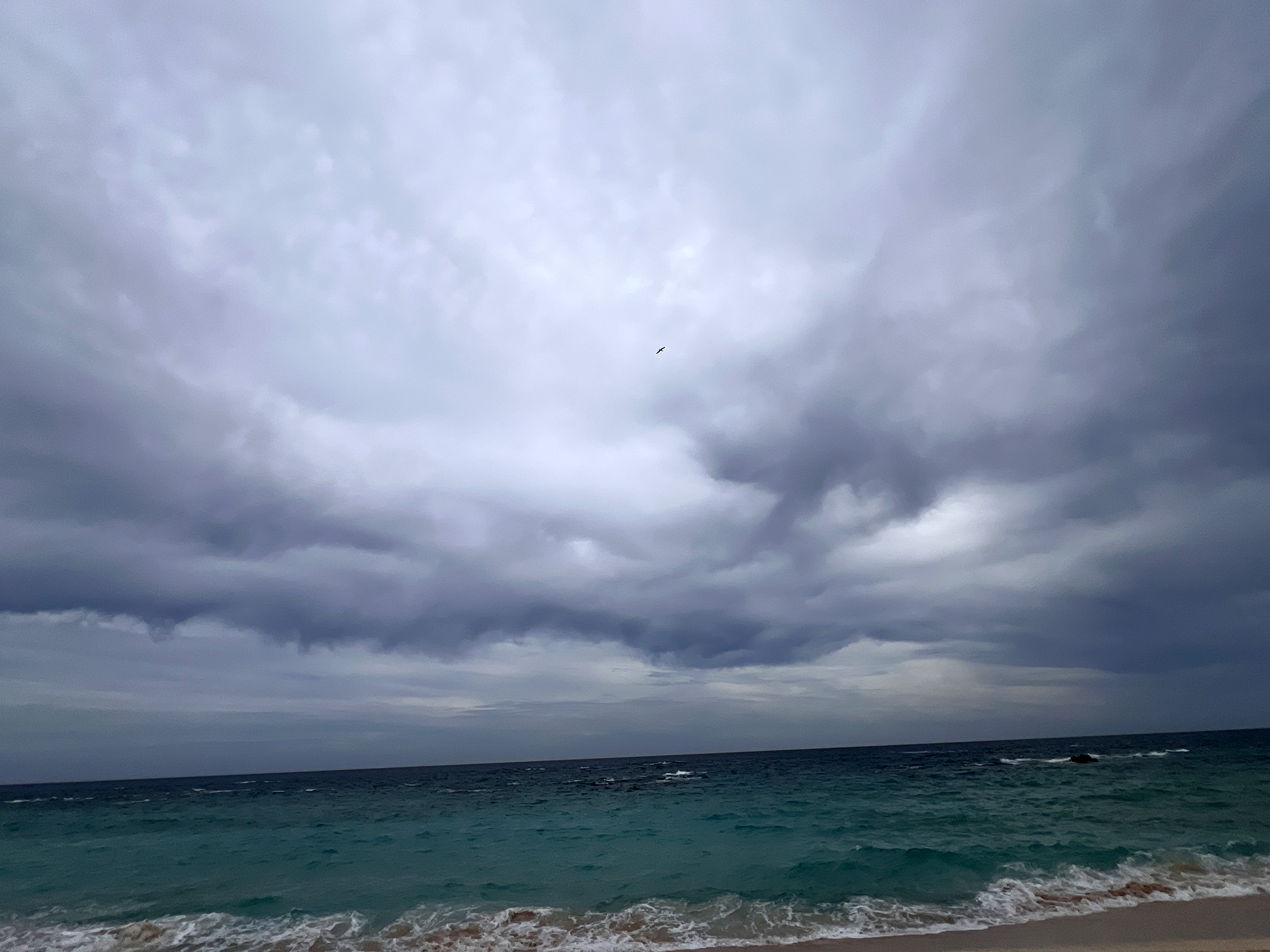
Bermuda’s beaches were incredible and picture perfect with the pink-hued sand and turquoise waters. My father took my sister and me in early March 2026 to see his childhood home and old stomping grounds. It was a great time to go, before the tourist and hurricane seasons hit the mid-Atlantic island. Air temps were in the 70s and water temps in the high 60s (Fahrenheit).
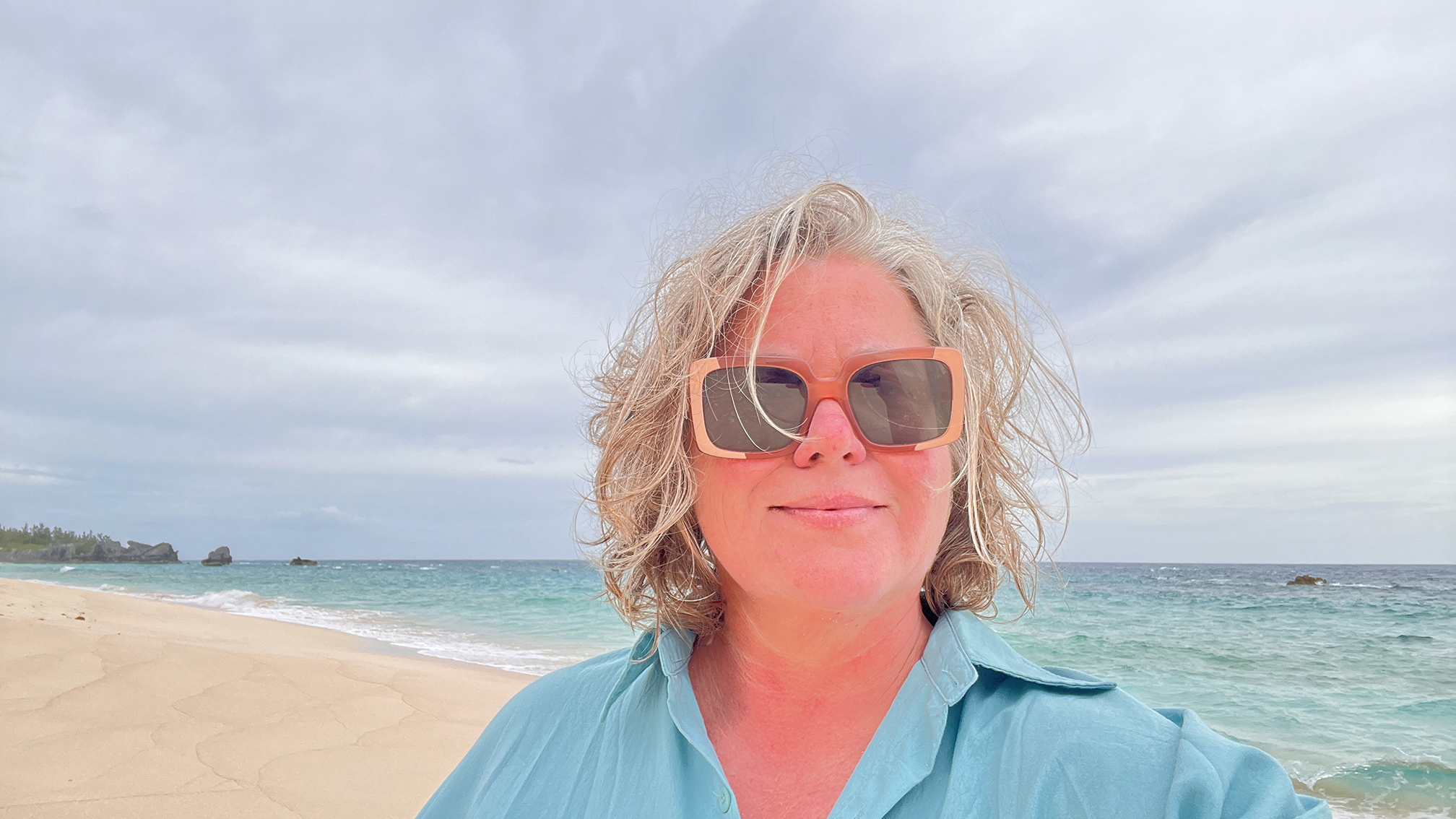
We were there for seven days, and I made sure to swim daily—see my video testimonial below! As a competitive swimmer throughout childhood and being a water sign, I can’t pass a clean body of natural water without jumping in! The locals thought I was a little nutty—they said the water was too cold—but I didn’t care. It is easy to get used to once you are in it.
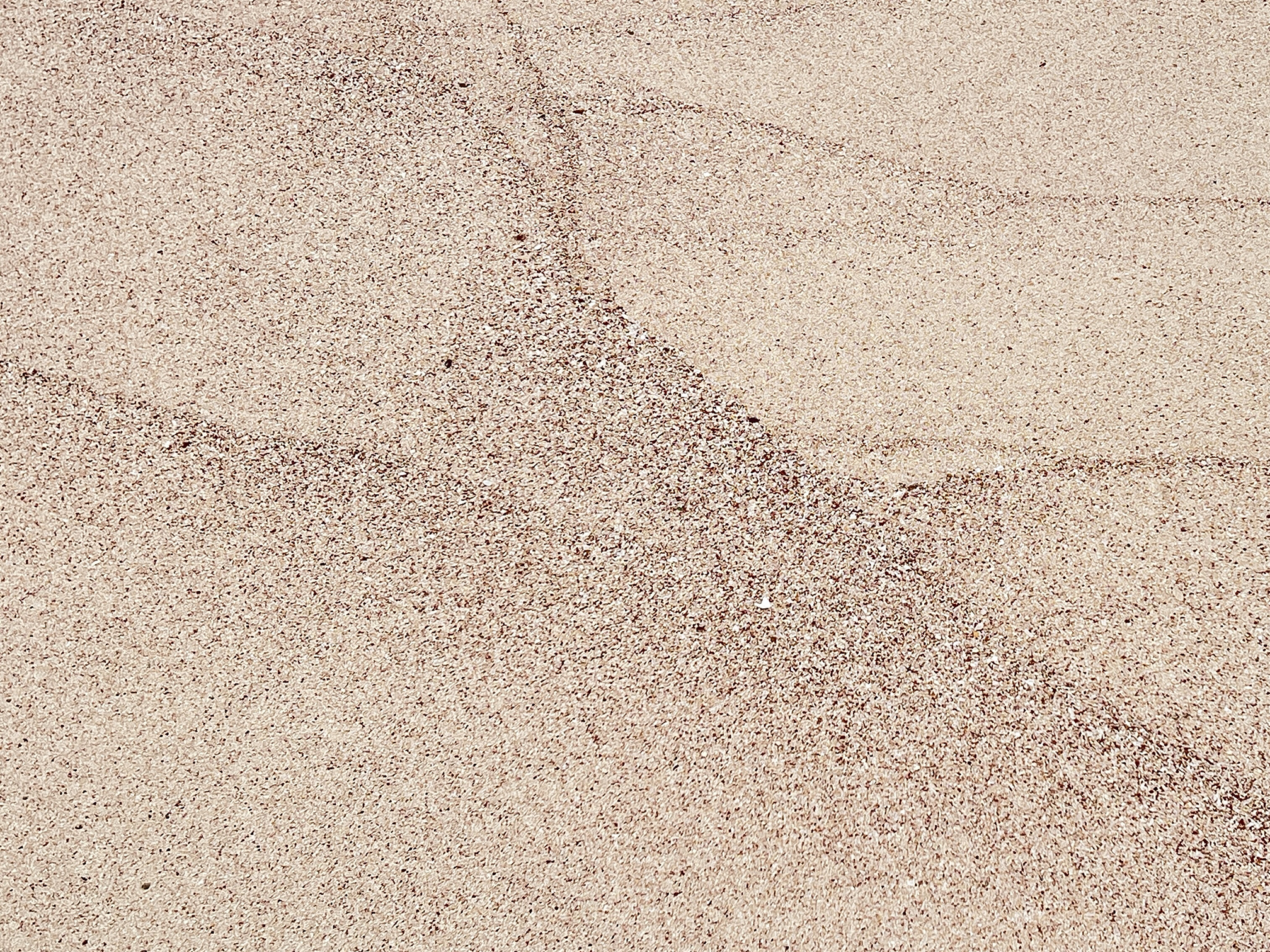
The sands have a pink hue due to the “the presence of minute marine organisms called foraminifera. As explained by the Bermuda Institute of Ocean Sciences, foraminifera, affectionately known as forams, are tiny single-celled creatures with calcium carbonate shells, akin to those of corals, mussels, and lobsters.” – GoToBermuda.com
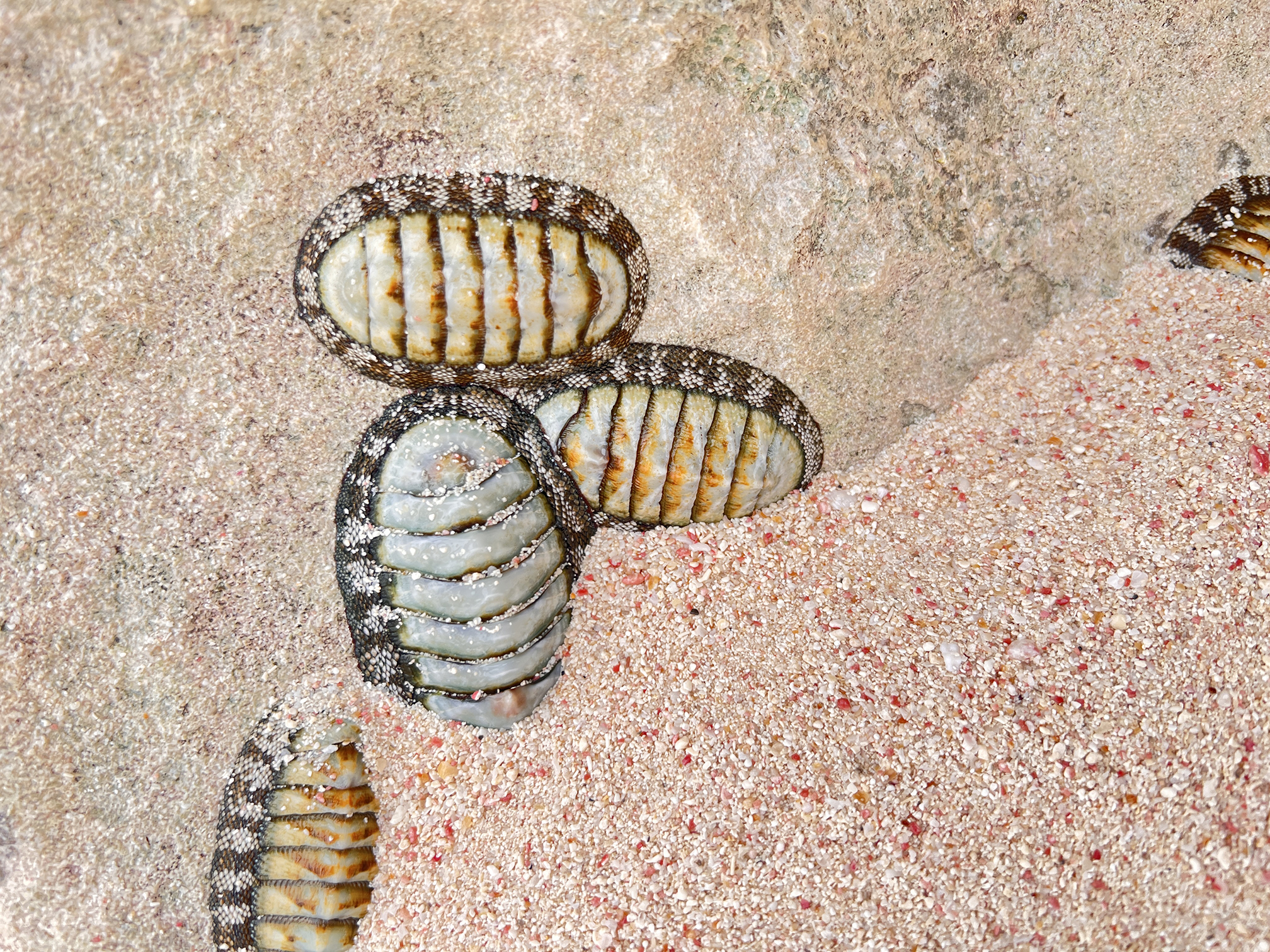
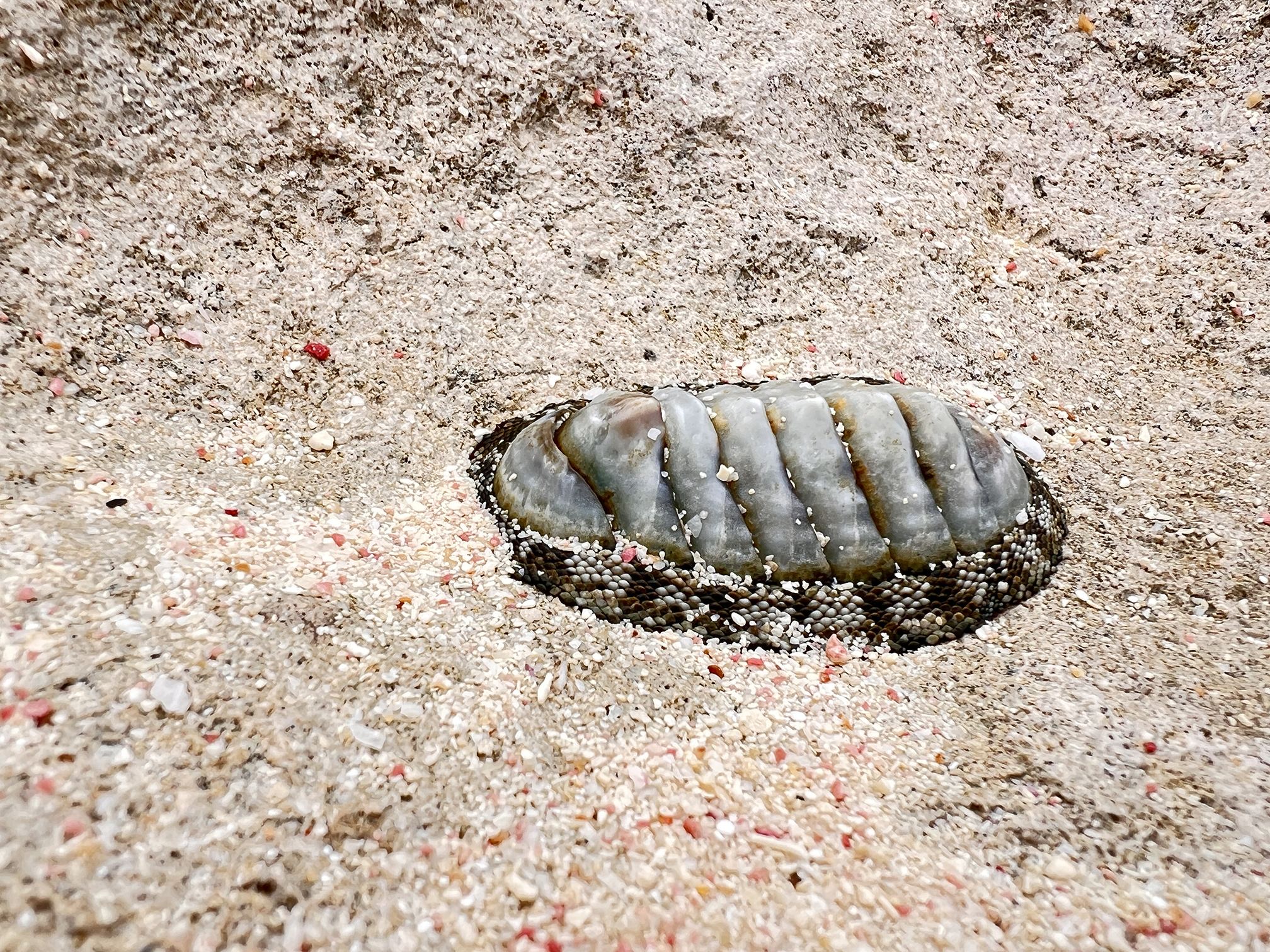
In pictures two and three are Bermuda Chiton Tuberculatus—mollusks that evolved hundreds of millions of years ago. I loved the colors of their shell plates, and it turns out that those shell plates have “eyes.” It is a different version than what we have as humans, but their visual capabilities “can detect looming predators, in response to which they clamp themselves tightly onto the rock” (see paragraph eight in this Nautilus article). I was also fascinated by the texture of their girdle, it was smooth like snake skin and it keeps it attached to the rocks where it feeds on algae with its “with a tongue-like structure that has rasping teeth tipped with metal compounds,” according to this article published in The Bermudian.
Leave a Reply